
History
The historic building now known as LiveWell Apartments was one of Pittsburgh’s first skyscrapers. Originally a luxury department store called McCreery & Co. that opened in 1904, it was designed by the great Chicago architect Daniel Burnham.
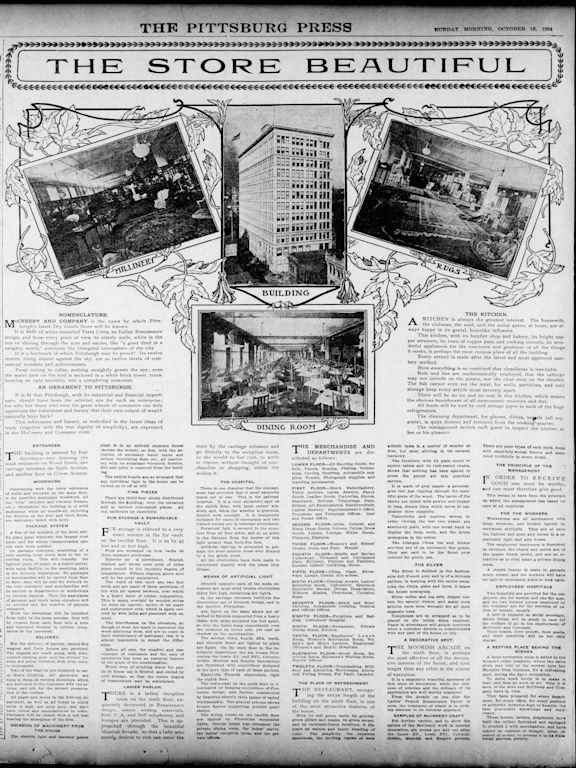
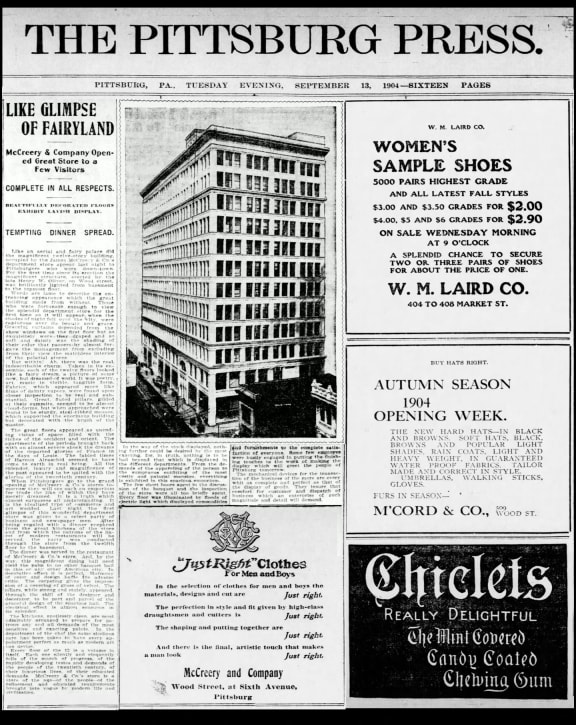
Like Burnham’s most famous skyscraper, the Flatiron Building in Manhattan, this structure is clad in decorative glazed terracotta. It was the first office tower in Pittsburgh to have such an exterior, and it won rave reviews. Newspapers called it “The Store Beautiful” and a “Glimpse of Fairyland”.
TIMELINE
LiveWell has gone through many changes in more than a century of existence.
- 1894 - Pittsburgh industrialist Henry Oliver and Chicago architect Daniel Burnham meet on a train in Egypt while seeing the pyramids with their wives.
- 1901 - Impressed by the architect’s Grant Street skyscraper for Henry Clay Frick, Oliver commissions Burnham to design two skyscrapers on opposite ends of a block along Sixth Avenue.
- 1904 - The McCreery & Co. department store opens to rave reviews, especially for its bright glazed terracotta exterior.
- 1910 - The Henry W. Oliver Building, the tallest skyscraper ever designed by Burnham, opens on the other end of the block.
- 1938 - After more than three decades in business, McCreery & Co. closes. Westinghouse leases the window displays to showcase its appliances.
- 1942 - Remodeling for a new anchor tenant, furniture store Spear & Co., replaces the lower floors' terracotta and adds a colored glass mural, "The Puddler".
- 1956 - A local steel manufacturer moves in, adding a new entrance and elevators at 300 Sixth Avenue. The structure is redubbed the Blaw-Knox Building.
- 1966 - Pittsburgh Press Club opens a plush new penthouse lounge and dining room on the roof.
- 1996 - Nutritional supplements retailer GNC acquires the building and makes it their corporate headquarters.
- 2021 - New York-based developer Victrix LLC buys the building from GNC and announces plans to convert it into 253 residential units.
- 2024 - LiveWell Apartments welcomes its first residents following the most extensive remodeling in the building’s 120-year history, including a new rooftop clubhouse and deck.
- 2026 - Pittsburgh Film Office (https://pghfilm.org) hosts an exhibit at LiveWell Apartments highlighting the city's storied history in film throughout the decades
PERSONALITIES

DANIEL BURNHAM
The most prolific and renowned architect of America’s first skyscrapers, Daniel Burnham designed more than 200 buildings, most famously the Flatiron Building in Manhattan. He designed more skyscrapers for Pittsburgh than any other city outside his home base in Chicago. Seven of his buildings still stand in Pittsburgh, including two he drew up for Henry Oliver on opposite ends of this block.
Oliver wanted a granite office tower like the one Burnham built for Pittsburgh steel tycoon Henry Clay Frick in 1901. But the architect advised his client to wrap the buildings in glazed terracotta, moldable into elaborate designs and easier to clean. To win over a skeptical Oliver, Burnham built this 12-story skyscraper first as a test to showcase the new exterior material.
HENRY OLIVER
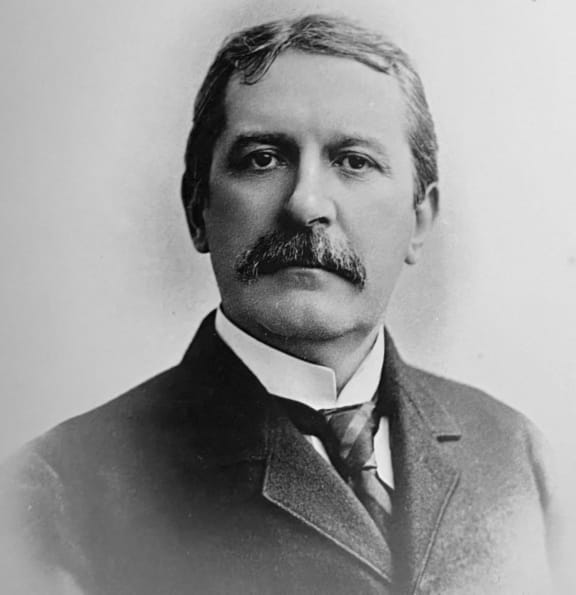
A Scots-Irish immigrant who first met Andrew Carnegie when they were both working as messenger boys, Henry Oliver became an iron and steel magnate and a board member of Carnegie Steel. When a new kind of iron ore was discovered in Minnesota, Oliver borrowed capital from Carnegie to snap up mining rights for the powdery Mesabi iron, which proved to be ideal for steel mills.
Oliver invested his wealth in downtown real estate. To clear a site for this building, he paid First Presbyterian Church to demolish their house of worship and build a new church on the adjacent lot behind it, where it stands today.
MARGARET COUTANT
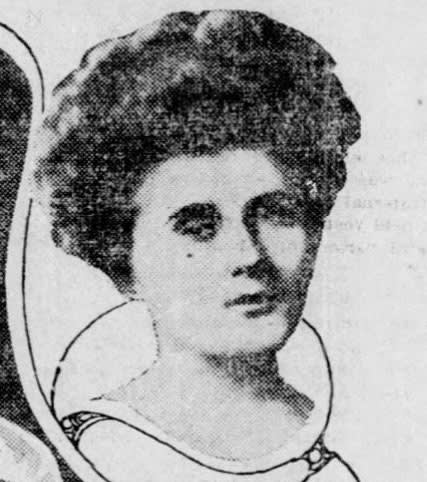
This well-to-do Pittsburgh woman was hired as a saleslady when McCreery & Co. opened. Soon she was promoted to lead buyer, traveling the country to seek out the most luxurious items for the store’s extensive selection of upscale merchandise.
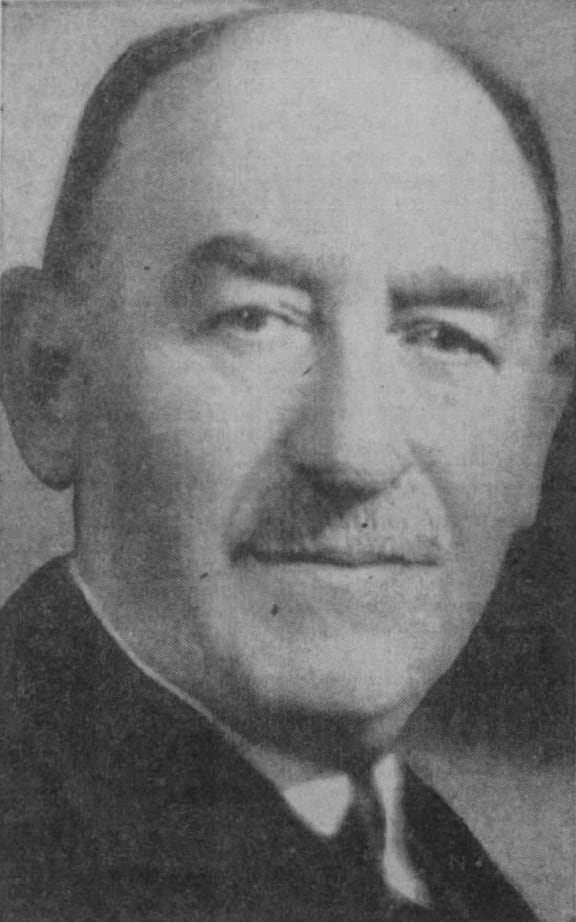
NATHANIEL SPEAR
A longtime Pittsburgh furniture merchant whose store stood across the street from McCreery & Co., he moved his flagship Spears & Co. into the building in 1942 and added a glass mural, The Puddler,” to celebrate the city’s industrial heritage.
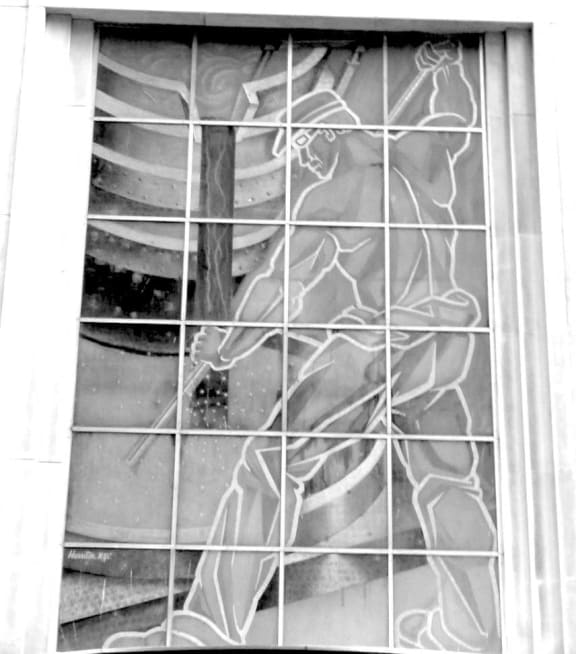
THE PUDDLER
An iconic Pittsburgh image illuminated every night, this glass mural depicts an iron puddler at work. Using a heavy “rabble rod,” he stirs molten pig iron into wrought iron, burning off impurities such as sulphur and phosphorus that would weaken the metal. A puddling mill was the first factory owned by Henry Oliver.
STORE DIRECTORY
The McCreery & Co. department store featured eight floors of merchandise, including elaborate showrooms decorated in French, Gothic, Colonial, and Moorish themes. Guests dined in a formal restaurant with a vase of fresh-cut flowers on every table.
Historical research by Mark Houser AntiqueSkyscrapers.com